Most clients pay on time. A few do not, and chasing them costs time and energy. A late payment clause will not make anyone pay faster by itself, but it gives you a firm and friendly way to start the conversation.
This guide shows the pieces and how to use them in practice.
What it does
A late payment clause says when an invoice is overdue and what that costs the client. It encourages prompt payment.
What to include
A due date, a fee or interest rate, how it is calculated, and the right to pause work while an invoice is overdue.
Keep it reasonable
Many places cap late fees or interest, and a high rate can be unenforceable. A modest rate is more likely to stand. Check your local limit.
Say it early
Put the terms in the contract and on the invoice so there are no surprises.
Try the calculator
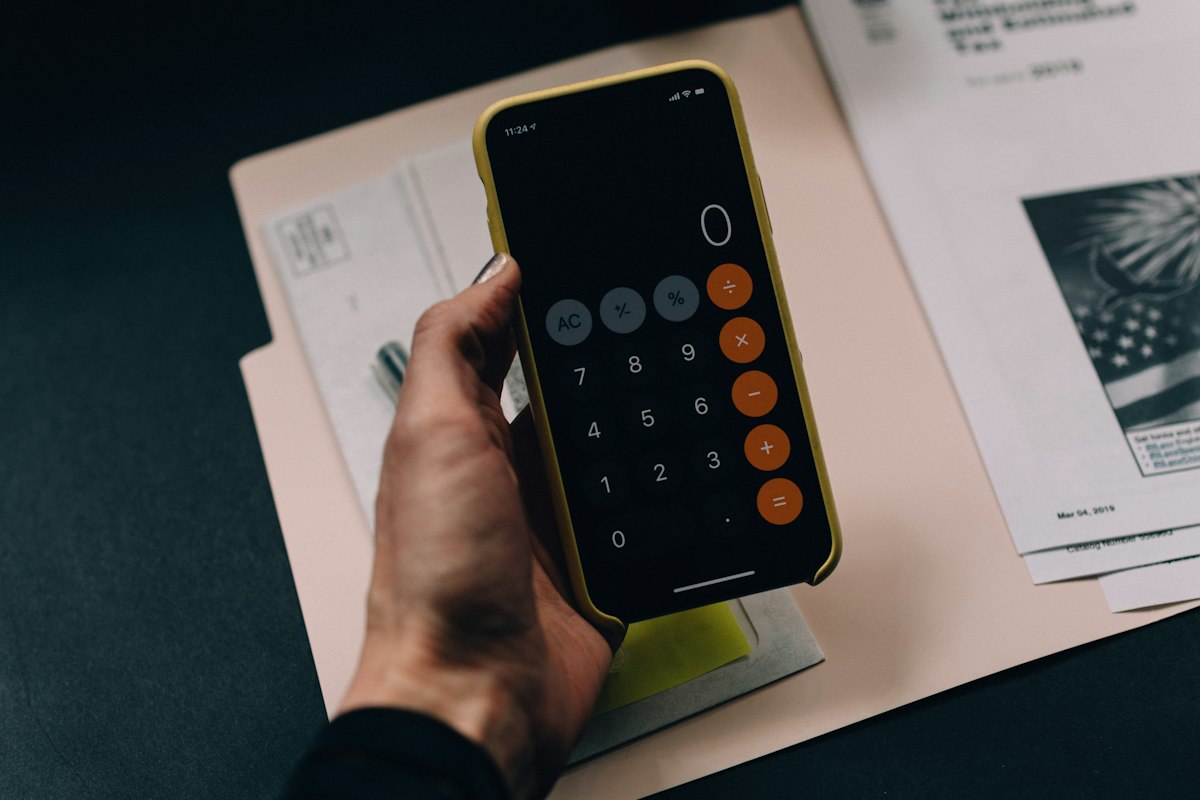
Our free late fee calculator shows what a clause would add to an overdue invoice.
A simple structure
Set a due date on every invoice, for example fourteen days after you send it. Say what happens after that date: a small fee, interest per month or work paused until payment arrives. Put the same terms in the contract and on the invoice so nothing comes as a surprise.
A reminder sequence
Send a friendly note a few days before the due date. The day after, send a short reminder with the invoice attached. A week later, write again and mention the late fee. If it is still unpaid after that, pick up the phone. Keep every message polite and factual, and save them.
Pausing work
You can say in the contract that you stop work or hold back files while an invoice is overdue. That is often more effective than any fee, because the client wants the project to move. Say it plainly so nobody is surprised.
When it goes further
If a client stays silent for weeks, the next steps depend on where you live: a formal letter, a small claims process or a collections service. Your contract and your records make each of those easier.
A quick checklist
- Due dates are on every invoice.
- The late fee or interest is stated and modest.
- Reminder messages are saved.
- You know what you will do at 30 days.